
PTSD treatment in Daphne.
A sound, a smell, a date, a dream — your body is on full alert before your mind catches up. It may be PTSD — and it is treatable, even years later. You decide how much to share.
When your body stays on guard.
- Dreading sleep because of the dreams
- Sitting where you can see the door
- Jumping at sounds others barely notice
- Avoiding places that bring it back
- Feeling distant from people you love
“Was it really bad enough to cause PTSD?”
Trauma is not a contest. What matters is how much it still affects your sleep, your choices, your relationships, or your sense of safety.
Already diagnosed, or in treatment? Dr. Lackey begins with your current medications, treatment history, and what has or has not helped.
One physician throughout.
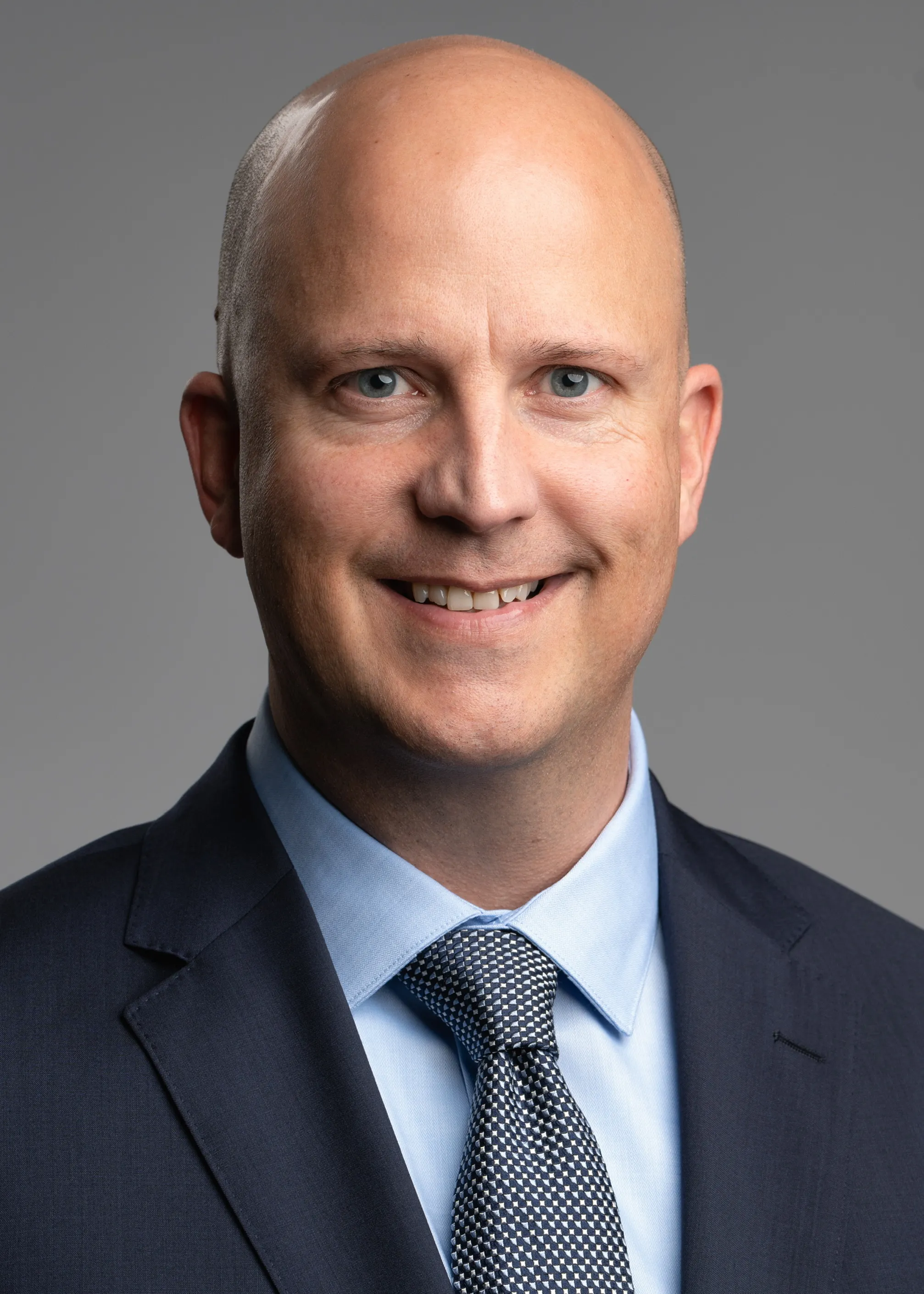
Marcus Lackey, M.D., conducts your initial evaluation and provides your ongoing care. He is a U.S. Navy veteran and provides psychiatric care for both service-related and civilian trauma.
You do not have to start over.
Serving Mobile and Baldwin County
What happens at your visit.
Meet privately with Dr. Lackey.
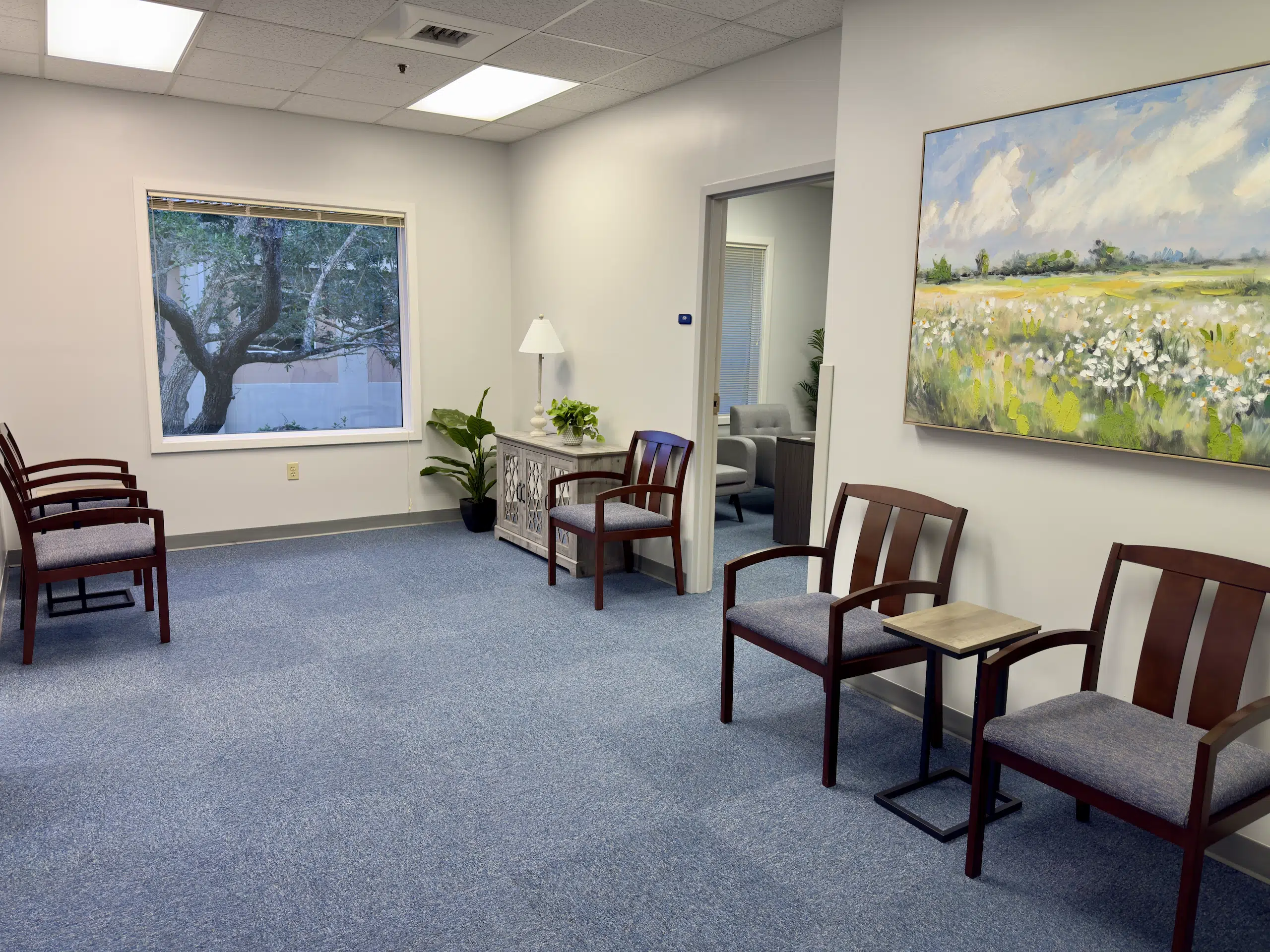
Your first visit is a 45-minute psychiatric evaluation in Daphne.
Put the pieces together.
The evaluation focuses on how the trauma is affecting you now, without requiring a complete retelling of what happened.
Leave with a plan.
Dr. Lackey explains his assessment, treatment options, and next steps.
Insurance is accepted.
Self-pay is $129 per visit.
Common questions.
Do I have to talk about what happened?
You decide how much detail to share. A complete retelling of what happened is not required for the first evaluation. The focus can begin with what you are experiencing now and what you want help with.
How do I know whether this is PTSD?
You do not need to know before booking. The evaluation considers the pattern of symptoms, how long they have been present, how they are affecting your life, and whether another condition may be part of the picture.
Do I have to do trauma-focused therapy?
Not necessarily. Trauma-focused therapy is often an important part of PTSD treatment because it directly addresses the trauma response. Whether and when to pursue it is your choice. Dr. Lackey can include therapy in your visits when it fits your plan and coordinate with a trauma-focused therapist when helpful.
Can medication help with nightmares or sleep?
Often, yes. Medication can help with nightmares, sleep problems, anxiety, or depression that occur with PTSD. Which medication fits depends on your symptoms, health, other medications, and goals.
Can I follow up by telehealth?
Yes. After your first in-person visit, follow-ups can often be by telehealth.
Start with one visit.
Safety
For a medical emergency or immediate danger, call 911. For suicidal thoughts or severe emotional distress, call or text 988. Coastview provides outpatient care only; calls, texts, emails, and messages are not monitored for emergencies.